“16 species” search results (500)

Boutique coffee beans Coffee species Monsoon Malaba (Monsooned Malabar)
Monsoon Malaba, also known as wind-stained Malaba, is a characteristic coffee in India, with yellow and white color, fat bean shape, very low acidity, very thick viscosity, syrup-like taste, nutty and cereal flavors with a hint of spicy and chocolate aromas and unique dusty flavors. In the 17th and 18th centuries, India shipped coffee beans to Europe by sailboat, which took six months and raw beans.
2015-01-04 Boutique coffee beans coffee species monsoon Malaba Raba Monsoon
El Salvador Himalayan coffee flavor with soft, slightly sour and beautiful sweetness
El Salvador was originally inhabited by the Mayan Indians. Scenery of the Republic of El Salvador (11 pictures) was colonized by Spain in 1524. Independence was declared on September 15, 1821 and later became part of the Mexican Empire. In 1823 the empire collapsed and El Salvador joined the Union of Central America. The Communist Party of China was declared on February 18, 1841 after the disintegration of the Union in 1838.
2016-08-31 Overall soft slightly sour good sweetness El Salvador Himalayan coffee flavor
coffee species
Coffee is generally common to us: instant coffee, such as Nestle (in fact, most of the earliest people exposed to coffee start from instant), brewing simple, hot water can be, but lack of taste rich and change; there are reports that instant coffee contains more carcinogens. (At present, the most common coffee in China is instant coffee, which is generally referred to as 3 in 1 coffee.) Instant Coffee Multi-purpose Coffee
2014-09-27 Coffee Type Single Coffee Fancy Coffee
Brief introduction of coffee producing countries: El Salvador Cafe de El Salvador
Country profile Republic of El Salvador, Repblica de El Salvador in Spanish, the Republic of El Salvador in English. It is located in Central America, bordering Guatemala and Honduras in the north, and the Pacific coastline in the west and south. It is the smallest country in Central America and the most densely populated country in Central America. The land area is 21393.
2014-09-03 Brief introduction of Coffee producing countries
Origin Culture and species Morphology of Colombian Coffee
The earliest records of coffee cultivation in Colombia appear in a book called The Illustrated Orinoca by Spanish missionary Jose Gumilla. He describes what he saw when he preached on both sides of the Meta River in 1730, in which he mentioned the local coffee plantation. By 1787, other missionaries had spread coffee to other parts of Colombia.
2016-06-08 Colombia Coffee Origin Culture species form about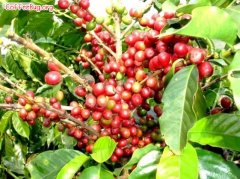
The basic knowledge of coffee beans The three original species of coffee
Coffee belongs to the evergreen shrubs of the genus Coffee of Rubiaceae, centered in tropical regions, with about 500 genera and 6000 species of Rubiaceae plants distributed here. Coffee has long been thought to have certain medicinal effects, such as invigorating stomach, refreshing mind, stopping bleeding, dissipating heat, strengthening body, etc. More famous Rubiaceae plants and gardenia, its fruit has long been dried as medicine
2015-11-06 coffee beans basics coffee three big native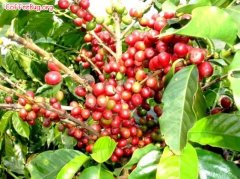
The basics of coffee beans the three native species of coffee
Coffee belongs to the evergreen shrub of the genus Rubiaceae, which is centered in the tropics. There are about 6000 species of Rubiaceae belonging to 500 genera. Coffee has always been thought to have certain effects, such as strengthening the stomach, waking up the brain, stopping bleeding, dissipating heat, strengthening the body, and so on. The more famous Rubiaceae plant is Gardenia jasminoides, whose fruit was dried and used as medicinal material a long time ago. The three native species of coffee
2015-01-26 Coffee beans basic knowledge coffee three native belong to grass family evergreen
The basic knowledge of Coffee beans the three native species of coffee Robsta species Arabica species Libby
Basic knowledge of coffee beans (1) Coffee belongs to the evergreen shrub of the genus Rubiaceae, which is centered in the tropics. There are about 6000 species of Rubiaceae belonging to 500 genera. Coffee has always been thought to have certain effects, such as strengthening the stomach, waking up the brain, stopping bleeding, dissipating heat, strengthening the body, and so on. The more famous Rubiaceae plant is Gardenia jasminoides, whose fruit was dried and used as medicine a long time ago.
2016-03-17 Coffee beans Basics Coffee Native Robes Booth Rabbi Card seed Libby
Species morphology of Colombian coffee-flavored coffee
The main varieties of Colombian coffee are small grains of coffee. Plants are small trees or large shrubs, 5-8 m tall, usually much branched at base; old branches gray-white, nodes dilated, young branches glabrous, compressed. Leaves thinly leathery, ovate-lanceolate or lanceolate, 6-14 cm long and 3.5-5 cm wide, tip long acuminate, acuminate part 10-15 mm long, base cuneate or slightly obtuse, rarely rounded, entire or
2016-06-05 Columbia Coffee Flavor species Morphology varieties Major
Fine coffee Colombian coffee species morphology
The main varieties of Colombian coffee are small grains of coffee. Plants are small trees or large shrubs, 5-8 m tall, usually much branched at base; old branches gray-white, nodes dilated, young branches glabrous, compressed. Leaves thinly leathery, ovate-lanceolate or lanceolate, 6-14 cm long and 3.5-5 cm wide, tip long acuminate, acuminate part 10-15 mm long, base cuneate or slightly obtuse, rarely rounded, entire or
2016-05-26 Boutique Coffee Columbia species Morphology varieties Major
The basics of coffee beans
Coffee belongs to the evergreen shrub of the genus Rubiaceae, which is centered in the tropics. There are about 6000 species of Rubiaceae belonging to 500 genera. Coffee has always been thought to have certain effects, such as strengthening the stomach, waking up the brain, stopping bleeding, dissipating heat, strengthening the body, and so on. The more famous Rubiaceae plant is Gardenia jasminoides, whose fruit was dried and used as medicinal material a long time ago.
2014-08-18 Coffee knowledge coffee bean knowledge coffee encyclopedia
The basic knowledge of Coffee beans Coffee beans are the three native species of coffee
Coffee belongs to the evergreen shrub of the genus Rubiaceae, which is centered in the tropics. There are about 6000 species of Rubiaceae belonging to 500 genera. Coffee has always been thought to have certain effects, such as strengthening the stomach, waking up the brain, stopping bleeding, dissipating heat, strengthening the body, and so on. The more famous Rubiaceae plant is Gardenia jasminoides, whose fruit was dried and used as medicinal material a long time ago. The three native species of coffee
2015-04-13 Coffee beans basic knowledge coffee three native belong to grass family evergreen
The History of Colombian Coffee in the Caribbean Island
History traces back to Colombian coffee brand Colombian coffee brand (9) the history of coffee cultivation in Colombia can be traced back to the Spanish colonial era in the 16th century, and there are many theories about the history of coffee in Colombia: one: it is said to come from the island of the Caribbean and by sea through El Salvador in Central America. Second: in 1808, a priest came from French Ann.
2016-06-18 Caribbean Haiti Colombia Coffee History Origin Goran
Colombian raw and cooked coffee beans Colombian Lazmus manor coffee beans
Second: according to the bean body size Maragogype Marrago bark, special tree species, the bean body is huge, the total yield is less. Supremo super grade, bean body less than 17 mesh but more than 14 mesh not more than 5% Supremo screen18+ 18 + super grade, sample bean body less than 18 mesh but more than 14 mesh not more than 5% Excelso Extra first grade, sample bean body in 16 mesh
2016-05-22 Columbia raw coffee beans Raz Moss Manor according to beans size
Planting Environment of Coffee species in Colombia
Species Morphology Editing Colombian Coffee Plant Morphology Colombian Coffee Plant Morphology (10 pieces) Colombian coffee is mainly small grain coffee. Plants are small trees or large shrubs, 5-8 m tall, usually much branched at base; old branches gray-white, nodes dilated, young branches glabrous, compressed. Leaves thinly leathery, ovate-lanceolate or lanceolate, 6-14 cm long, 3.5-5 cm wide, apex
2016-06-02 Columbia Coffee species form planting Environment Editor Brother
Evolution from spoon to airflow baking appliance
When humans discovered that coffee seeds had a special and fascinating flavor, it was the beginning of coffee history. This time coffee beans have gone from being used only as medicinal herbs in East Africa and southern Arabia to becoming one of the most popular drinks in the world and the second most traded economic goods in the world today. Some skeptics believe coffee beans are made
2015-04-13 spoon into flow roasting utensils evolution human discovery coffee seed
Colombian coffee growing environment Colombian coffee culture
The history of coffee cultivation in Colombia can be traced back to the Spanish colonial era in the 16th century, and there are many theories about the history of coffee in Colombia: one: it is said to come from the island of Haiti in the Caribbean and from El Salvador in Central America. Second: in 1808, a priest introduced coffee beans to Colombia for the first time from the French Antilles via Venezuela. One of them
2016-05-25 Colombia Coffee planting Environment Coffee Culture
Preparation method of Brazilian Yellow bourbon Coffee
Variety: Yellow Bourbon Origin: Brazil Datra Manor elevation: 1100m refined: semi-washing + sun-drying: natural sun-drying and mechanical drying specifications: Screen 16 up fragrance: Mild supple, in most items of Daterra, belongs to the highest grade beans. Certification: rainforest Alliance Certification, Good Inside, Organic, etc. Datt
2016-06-04 Brazil Yellow bourbon Coffee preparation method Variety Yellow
Introduction to the taste of high-quality coffee beans in El Salvador Himalayan coffee producing areas
In El Salvador, the coffee beans rich in the Kuskabapa region are the best, slightly lighter, fragrant, pure and slightly sour. Like Guatemala and Costa Rica, coffee in El Salvador is graded according to altitude, and the higher the altitude, the better the coffee. The best brand is Pip, whose quality has been recognized by the American Organic Certification Society. In addition
2016-09-29 El Salvador Himalayas coffee flavor variety producing area characteristics boutique
The characteristics of Tanzanian Fine Coffee
Species of coffee beans in Tanzania, local coffee species: in the past, the coffee species commonly used in Tanzania are Bourbon (N.39) and Kents (KP 423). However, due to the low insect resistance and disease resistance of these two coffee varieties, the coffee quality can not meet the requirements of high-quality coffee, not to mention the world-famous UTZ and Fair trade certification. With the new technology of growing coffee beans
2016-03-18 Tanzania boutique coffee species characteristics coffee beans when